
Webflow SEO: Optimize Your Webflow Site

Webflow has developed a reputation as one of the more SEO-friendly website platforms. The clean code output, semantic HTML, and technical SEO controls give Webflow sites advantages that some other platforms lack. But having good SEO capabilities does not mean SEO happens automatically. You still need to do the optimization work. For designers focused on […]
Shopify Pricing Plans: What You Actually Pay

Shopify advertises simple pricing. The base plan starts at a specific monthly amount. The higher plans cost more. Seems straightforward. But the base subscription is just the start of what you actually pay for a Shopify store. Transaction fees add up on every sale. App subscriptions accumulate. Theme costs, extension costs, and various services add […]
E-commerce Returns Policy: Build Customer Confidence

Returns policy is one of the more consequential decisions in e-commerce that gets less attention than it deserves. Customers routinely check return policies before purchasing, especially for first-time purchases from stores they do not know well. A clear fair return policy builds confidence that supports purchase decisions. A confusing or restrictive policy raises red flags […]
Webflow Hosting: Built-in & Optimized

One of Webflow’s significant advantages is that hosting comes included with paid plans. You do not manage separate hosting like you do with WordPress. You do not configure servers. You do not worry about performance optimization at the infrastructure level. Webflow handles all of it. For designers and business owners who would rather focus on […]
Shopify vs BigCommerce: Platform Comparison

Shopify gets most of the attention in the hosted e-commerce space, but BigCommerce is a real competitor. Both platforms provide complete e-commerce solutions with subscription pricing, built-in features, and app ecosystems. Both power thousands of successful stores. Choosing between them affects your costs, capabilities, and how you run your business. The comparison is not always […]
E-commerce Shipping Strategy: Free vs Paid

Shipping strategy is one of the more consequential decisions in e-commerce. It affects conversion rates significantly. It affects margins directly. It affects customer expectations and satisfaction. Getting it right requires balancing what customers want with what your business can afford. The right shipping strategy for your business depends on your products, margins, competition, and customer […]
Webflow E-commerce: Selling on Webflow

Webflow added e-commerce features to its platform to let designers build online stores without switching to dedicated e-commerce platforms like Shopify. The design freedom that makes Webflow appealing for marketing sites carries over to store design. Product pages, cart, and checkout can be customized to fit brand vision. The trade-off is that Webflow e-commerce is […]
Shopify vs WooCommerce: Which Is Better?
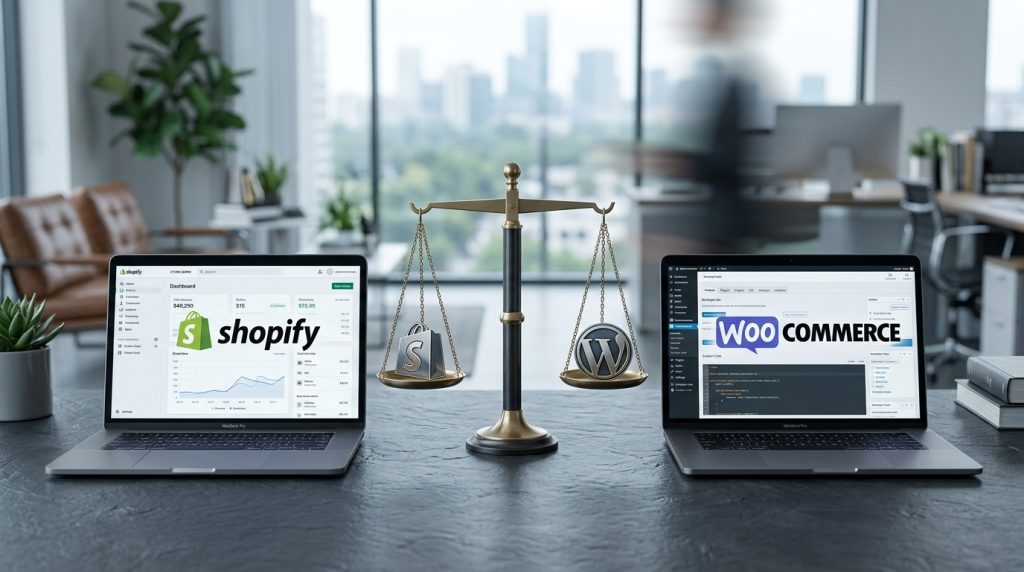
Shopify and WooCommerce are the two most popular ways to build online stores. Both power millions of stores. Both can handle almost any e-commerce business. But they take very different approaches to the same problem. The choice between them is one of the more consequential decisions for new e-commerce businesses. The platform you build on […]
Subscription E-commerce: Recurring Revenue Models

Subscription e-commerce has grown from a niche business model into a mainstream approach. Products from coffee to razors to meal kits to software are sold through subscriptions. The recurring revenue produces predictable income for businesses. The convenience produces ongoing value for customers. Building a subscription business requires different thinking than traditional one-time purchase e-commerce. Customer […]
Webflow CMS: Managing Dynamic Content

The Webflow CMS is what separates it from being just a design tool. Static pages let you build individual pages. The CMS lets you handle dynamic content like blog posts, portfolio items, products, team members, or any structured content that has multiple instances. Understanding the CMS is essential for building anything beyond simple marketing sites […]