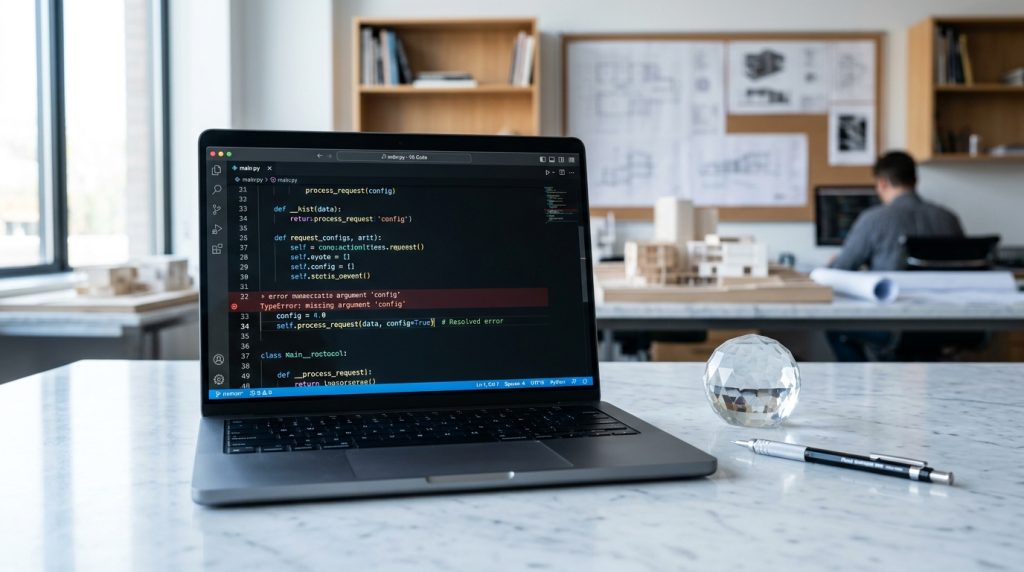
WordPress runs reliably most of the time. Then something breaks. The site shows a blank page. An error message appears. Something works one moment and fails the next. WordPress errors happen to everyone eventually, and knowing how to handle them makes the difference between quick recovery and prolonged downtime.
Most WordPress errors have known causes and known solutions. This piece covers the errors WordPress users encounter most often, what causes them, and how to fix them.
The White Screen of Death
The classic WordPress problem.
What You See
You visit your site or the admin. Instead of the page, you get a completely blank white page. No error message. No hint about what is wrong.
What Causes It
Usually a PHP error. A plugin or theme has code that crashes. WordPress cannot complete the page rendering.
Memory limit exhaustion causes many white screens. Corrupted files cause others. Plugin conflicts are common.
How to Fix It
Enable debug mode. Add this to wp-config.php:
define(‘WP_DEBUG’, true); define(‘WP_DEBUG_LOG’, true); define(‘WP_DEBUG_DISPLAY’, false);
Reload the page. The error gets logged to wp-content/debug.log. The log tells you what went wrong.
Common fixes include:
Disable all plugins by renaming wp-content/plugins to something else via SFTP. If the site comes back, activate plugins one at a time to find the culprit.
Switch to a default theme temporarily. If the site works, the theme is the problem.
Increase memory limit by adding to wp-config.php:
define(‘WP_MEMORY_LIMIT’, ‘256M’);
500 Internal Server Error
Server-side problems.
What You See
An error page saying “500 Internal Server Error” or similar.
What Causes It
Something on the server side is failing. Corrupted .htaccess file. PHP errors. Server configuration issues. Exceeded resource limits.
How to Fix It
Check your .htaccess file. Rename it via SFTP. Try the site again. If it works, the .htaccess was corrupted. Go to WordPress admin > Settings > Permalinks and save (without changing anything) to regenerate .htaccess.
Check PHP error logs. Your host provides these. The specific error message points to the fix.
Increase memory limits if that is the issue.
Check for corrupted files by re-uploading WordPress core files.
Error Establishing a Database Connection
WordPress cannot reach the database.
What You See
A page saying “Error establishing a database connection.”
What Causes It
WordPress cannot connect to MySQL. Wrong credentials. Database server down. Corrupted database. Server issues.
How to Fix It
Check database credentials in wp-config.php. The database name, username, password, and hostname must match your actual database.
Contact your host to verify the database server is running. Sometimes hosts have database issues you cannot fix yourself.
Try repairing the database. Add this to wp-config.php temporarily:
define(‘WP_ALLOW_REPAIR’, true);
Then visit yoursite.com/wp-admin/maint/repair.php. WordPress provides repair options.
Remove the line from wp-config.php after using this feature. It bypasses login for security reasons.
404 Errors on Every Page
Individual posts and pages give 404 errors.
What You See
The home page works but any post or page URL returns a 404 error.
What Causes It
Corrupted permalinks. Rewrite rules not being applied. .htaccess issues.
How to Fix It
Go to Settings > Permalinks and just click Save. This regenerates the rewrite rules.
If that does not work, check .htaccess. It should contain the standard WordPress rewrite rules. If missing or corrupted, regenerate.
For Nginx servers, check server configuration includes proper WordPress rewrite rules.
404 Errors on the WordPress Admin
Cannot access the admin area.
What You See
Visiting wp-admin returns a 404 error. You cannot log in.
What Causes It
Various causes. Corrupted files. Plugin conflicts. Security plugin overreach that locked out even you.
How to Fix It
Access the site via SFTP. Disable all plugins by renaming the plugins folder.
Try logging in again. If it works, a plugin was the problem.
Check .htaccess for rules that might be blocking admin access.
Try clearing browser cookies and cache.
Locked Out of WordPress Admin
Cannot log in for various reasons.
What You See
Login fails. Or you cannot even reach the login page.
What Causes It
Forgotten password. Compromised account. Security plugin blocking your IP. Account deleted or role changed.
How to Fix It
Use the password reset link on the login page. This sends an email to reset your password.
If the reset email does not arrive, check spam folder. Sometimes password reset emails get filtered.
If the reset link does not work, access the database via phpMyAdmin. In the wp_users table, you can reset your password directly.
For IP blocks, contact your host to whitelist your IP or wait for the block to expire.
Memory Exhausted Errors
Not enough memory for operations.
What You See
Errors mentioning “Allowed memory size exhausted” or “Fatal error: Allowed memory size.”
What Causes It
WordPress or a plugin needs more memory than the current limit. Common with memory-intensive plugins, complex operations, or updates.
How to Fix It
Increase the memory limit. Add to wp-config.php:
define(‘WP_MEMORY_LIMIT’, ‘256M’);
If admin operations need more:
define(‘WP_MAX_MEMORY_LIMIT’, ‘512M’);
Some hosts set memory limits at the server level. Contact your host if the WordPress setting does not help.
Identify the plugin or operation causing high memory use. Some plugins use significantly more memory than others.
Failed Automatic Update
Updates that do not complete.
What You See
The update starts but does not finish. The site may be in maintenance mode. You get errors about failed updates.
What Causes It
Connection issues during update. File permission problems. Server timeouts. Conflicting files.
How to Fix It
If the site shows “briefly unavailable for scheduled maintenance,” a .maintenance file is stuck. Delete it via SFTP.
For failed updates, try again. Sometimes retrying works.
Update manually if automatic updates keep failing. Download the WordPress zip file. Extract and upload the wp-admin and wp-includes folders via SFTP.
Check file permissions if you see permission errors during updates.
Cannot Upload Files
File upload fails.
What You See
The upload process fails or shows error messages.
What Causes It
File size larger than server allows. File type not permitted. Wrong file permissions. Directory does not exist. Disk space full.
How to Fix It
Check file size limits. Your host controls maximum upload size. Contact them if needed.
Verify the uploads directory exists (wp-content/uploads) and has proper permissions (755).
Check disk space. If your account is at the storage limit, uploads fail.
For unsupported file types, check settings and consider adding types you need.
Comments Not Working
Comment submissions fail or do not appear.
What You See
Users submit comments that never appear. Or submissions fail entirely.
What Causes It
Aggressive spam filtering. Comment moderation queue full. Plugin conflicts. JavaScript issues.
How to Fix It
Check Discussion settings for comment moderation rules.
Check the spam and pending queues in Comments admin.
Test comment submission yourself in an incognito window.
Check if any security or comment plugins are blocking submissions.
Emails Not Sending
WordPress cannot send emails.
What You See
Password reset emails do not arrive. Notification emails do not send. Contact form submissions do not deliver.
What Causes It
WordPress uses PHP mail() by default. Many hosts block this. Emails get sent but never arrive.
How to Fix It
Install an SMTP plugin like WP Mail SMTP. Configure it to send through a real email service (Gmail, SendGrid, Amazon SES).
This routes WordPress emails through a legitimate email server that actually delivers.
Verify email delivery by sending a test email through the plugin.
Site Was Hacked
Compromise indicators.
What You See
Strange content appearing. Redirects to spam sites. Unfamiliar admin accounts. Weird files in your directories.
What Causes It
Compromised admin credentials. Vulnerable plugin exploited. Server compromise.
How to Fix It
Change all passwords immediately. Admin, hosting, FTP, database.
Run malware scans with Wordfence, Sucuri, or MalCare.
Remove any unfamiliar admin accounts.
Restore from a clean backup if possible.
Consider professional cleanup for serious compromises.
Update all software after cleanup.
The earlier piece in this series covered malware removal in detail.
Preventing Errors
Good practices reduce errors.
Keep Backups
Regular backups let you recover from any error. The earlier piece in this series covered backups.
Update Regularly
Current software has fewer bugs than old software. Update WordPress, plugins, and themes.
Use Staging Environments
Test changes on staging before applying to production. Catches issues before they affect visitors.
Monitor Your Site
Uptime monitoring catches outages fast. Error monitoring catches problems before they compound.
Choose Quality Plugins
Well-maintained plugins from reputable developers cause fewer problems than obscure or abandoned ones.
When to Get Help
Sometimes you need expertise.
Complex Errors You Cannot Solve
Some errors have obscure causes that require deep WordPress knowledge. Getting help is often faster than continuing to struggle.
Security Incidents
Compromises benefit from professional cleanup. Cleanup services like Sucuri handle these for reasonable prices.
Data Loss Situations
When data has been lost and needs recovery, professional help increases the chances of getting it back.
Time-Critical Issues
If your site is down and losing money, paying for fast expert help often makes sense.
Closing Thoughts on Fixing WordPress Problems
WordPress errors are inevitable. Every site owner encounters them eventually. Knowing how to diagnose and fix common errors makes the difference between quick recovery and prolonged frustration.
For most errors, the fixes are known. Debug mode reveals what is going wrong. Standard solutions handle standard problems. Google searches for specific error messages usually find solutions.
For sites without a plan for handling errors, the first error is more stressful than it needs to be. Having backups, knowing basic troubleshooting steps, and knowing when to get help all reduce the stress.
For sites that experience errors regularly, the errors themselves indicate deeper problems. A well-maintained site with quality plugins on good hosting has few errors. Frequent errors suggest something needs to change.
Prevention is better than troubleshooting. Regular backups. Timely updates. Quality software. Good hosting. Monitoring. These practices reduce error frequency and severity.
When errors do happen, calm methodical troubleshooting produces better results than panic. Check the obvious things first. Enable debug mode. Read error messages carefully. Try known solutions in order.
Sites recover from errors every day. The path from broken to working is usually shorter than it seems in the moment. With basic knowledge, good backups, and patience, most WordPress errors become inconveniences rather than disasters. The knowledge you build handling errors compounds over time, making future errors easier to handle. Take the time to learn basic troubleshooting, and WordPress becomes a platform you can maintain confidently rather than one you fear.