
E-commerce Trends 2026: What’s Next for Online Retail

The e-commerce industry keeps moving. What felt cutting-edge two years ago is now expected. What is emerging now may become standard within a couple of years. For store owners trying to decide where to invest time and money, staying aware of trends helps allocate attention sensibly rather than either chasing everything or ignoring change until […]
Joomla Guide: Advanced Open Source CMS

Joomla is one of the older content management systems still in active use. Launched in 2005, it predates many of the platforms that now dominate. It has maintained a devoted following through the years even as WordPress captured most of the CMS market share. For users curious about alternatives to WordPress, Joomla is worth understanding. […]
Shopify Inventory Management: Track Stock Levels

Inventory management is one of those operational essentials that gets overlooked until it goes wrong. When it works well, customers get what they ordered on time. When it fails, you sell things you cannot deliver, miss sales on things you actually have, or waste money on excess inventory. Shopify includes inventory management capabilities that handle […]
WordPress Themes: How to Choose & Install

Your WordPress theme controls how your site looks and, to some extent, how it works. The right theme makes your site look professional and function well. The wrong theme creates ongoing friction that affects both visitors and the people managing the site. Choosing a theme is easy to do badly. Themes with attractive demos often […]
Mobile E-commerce: Optimize for Phone Shoppers

For most e-commerce stores, phones now bring in the majority of visitors. Not desktops. Not tablets. Phones. And the share keeps growing every year as younger shoppers make up more of the buying population and social platforms drive more traffic. Yet plenty of stores still treat mobile like an afterthought, with sites clearly designed for […]
Squarespace vs WordPress: Design vs Flexibility

Squarespace and WordPress represent two very different approaches to building websites. Squarespace provides a curated hosted experience with polished templates and integrated features. WordPress is open-source software you install on your own hosting and customize with themes and plugins. The choice between them affects almost everything about how your website exists. Not just costs and […]
Shopify Variants: Manage Product Options
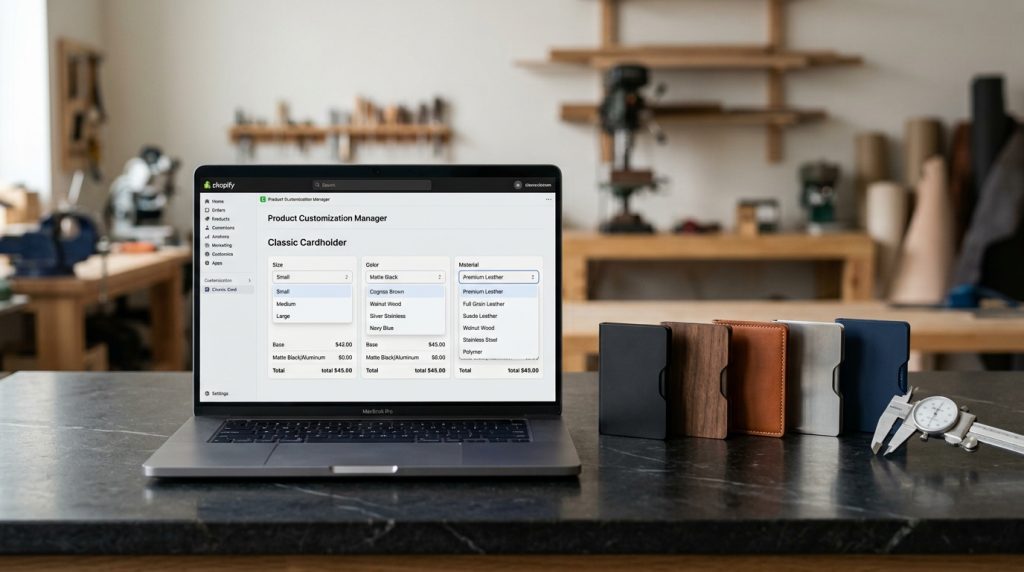
Most products come in variations. Shirts in different sizes and colors. Furniture in different finishes. Electronics in different storage capacities. Shopify handles these variations through a feature called variants. Variants let one product listing represent many combinations. Customers pick the specific combination they want. The system tracks inventory separately for each combination. Pricing can vary […]
WordPress Settings: Configure Your Site Correctly

WordPress installs with default settings that work for most sites but are not necessarily right for yours. The default permalink structure. The default comment settings. The default reading options. Each of these defaults reflects an average use case. Your site is not average. Taking time to review and configure the settings properly at the start […]
E-commerce A/B Testing: Experiment to Improve

Every store owner has opinions about what would work better. The customer would love this new headline. That button should be blue. This layout would convert more. Some of those opinions are right. Most of them are wrong. A/B testing is how you find out which is which without betting the store on your gut. […]
Squarespace Guide: Design-Focused Building

Squarespace has built a reputation as the website builder for people who want beautiful sites without hiring designers. The templates are polished. The editor is refined. The results tend to look better than what users get on other simple platforms. For small businesses, creatives, and professionals who prioritize aesthetic quality but do not have design […]